
Museum reacts to Civil Rights hero’s death
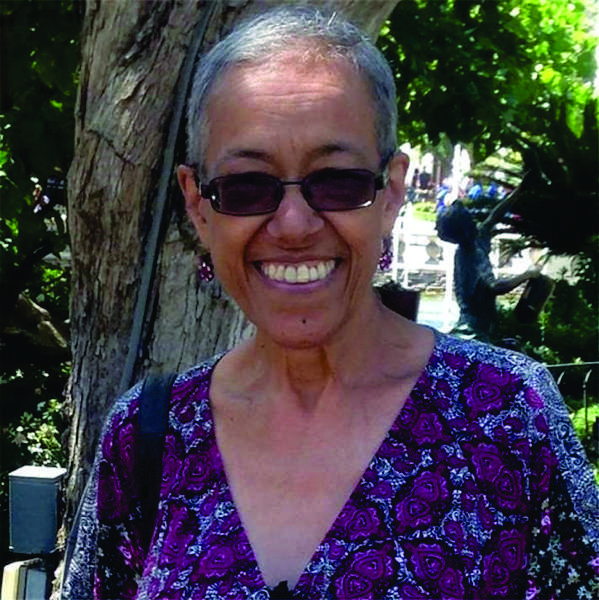
Jo Ann Boyce
“It is with a very heavy heart that we share the news that our friend Jo Ann Allen Boyce passed away yesterday,” Adam Velk of the Green McAdoo Cultural Center posted to Facebook. “We’ve lost such a caring and humble soul. Jo Ann was someone who was so generous with her own story and shared it with people across the country. I spent some time with her a few years back in Wisconsin, where she told her story to student bodies and every day citizens. The people who met her were in awe and entirely grateful for her kindness. A student was so inspired by her story that they wept when they met her, and Jo Ann was quick to offer them a warm hug. Jo Ann inspired everyone she met. Today is a tough one for all of us she did. We send our love and care to the Boyce family.”
A statue of Boyce, alongside the other Clinton 12 stands outside the Green McAdoo Cultural Center and the center has exhibits on desegregation and the Clinton 12, including Boyce’s efforts.
Sharing this Green McAdoo Center post was the Anderson County Archives.
“Rest in Peace, ma’am,” that county department stated. Boyce died of pancreatic cancer at age 84 surrounded by family.
Boyce is the author of “This Promise of Change: One Girl’s Story in the Fight for School Equality” which details her experiences. A shorter piece narrating her own life is on the Green McAdoo website, greenmcadoocenter.org.
She explained how she attended Green McAdoo elementary before riding a bus all the way to Knoxville to attend Vine Junior High and Austin High School, schools serving African-American students during that segregated era.
“It was a long tiresome trip we had to make because our hometown school was not open to black students,” she wrote. However, she said she could sense the hatred others had for her more vividly while attending Clinton High School with the Clinton 12 students, in 1956 even if she’d known it was there before. She called it “the first most excruciatingly painful event ever to happen to me.” Protesters with signs greeted her outside the school.
“On Wednesday morning, I almost cried to go back home because there were so many people, and they looked so mean,” she said.
Classmates threw objects, used slurs and wrote racist notes.
“Like any human, having anyone dislike you because of the color of your skin, your physical appearance, your religion or any of a hundred other reasons, is a difficult and bitter elixir to swallow,” she stated. “But for children, having hatred slammed in your face en mass is far more traumatic and damaging than all the years of sticking to the rules because you ‘knew your place.’
“That time, fortunately, did not change who I was but only strengthened my character and made me a more loving, forgiving person,” she said. She said the challenges required not just her but others to step up.
“They required a great deal of courage and fortitude on the parts of the 12 black kids that walked the walk, their parents, the black community and thankfully, finally many of the people of the whole town,” she said. Her home room at CHS elected her their vice president.
She and her family moved to Los Angeles later that year. She would study nursing before beginning a 40-year pediatric nursing career. She also recorded albums with a group called The Debs, did public speaking as well as singing on stage and published poetry.
“Jo Ann was at the forefront of change in Clinton, and our country,” Velk told The Courier-News. “She leaves behind a legacy we see every single day with the diversity of public-school bodies.
This monumental social change that Jo Ann was at the center of helped pave the way for equality in arenas outside of just public schooling.
One of her greatest contributions was her generosity with her story, and her willingness to share it with people across country. She was a tremendously kind, thoughtful, and sweet person who will be missed dearly by everyone whose lives she touched.”