
Museum awarded two ‘Tennessee America 250’ grants for programs
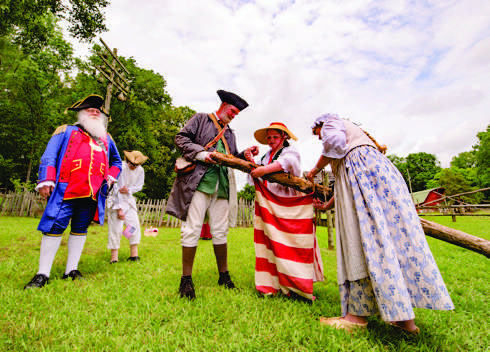
This is a scene from the 2025 July 4 observance at the Museum of Appalachia in Norris, celebrating American history. (photo:Submitted )
Located in Norris, the museum said it plans to use the money for Independence Day programming and preservation of its historic Cantilever Barn.
“These grants will support expanded educational programming and the preservation of one of the museum’s most iconic historic structures,” the museum said in an announcement of the awards.
A $9,500 grant will allow the museum to expand its annual Independence Day anvil shoot celebration from a one-day event into a two-day celebration, incorporating new educational programming, historical interpretation, and hands-on experiences for visitors of all ages.
The enhanced event will feature a Revolutionary War encampment, musket demonstrations, and historical storytelling in partnership with Tennesseans for Living History and the Clinch Bend Chapter of the Daughters of the American Revolution.
Additional elements will include the distribution of educational Betsy Ross-style flags and interpretive programming highlighting Tennessee’s role in the American Revolution, including the story of the Battle of Kings Mountain.
The second grant, for $20,000, will support preservation work on the Cantilever Barn, one of the most-recognizable architectural forms in Southern Appalachia.
“This project will help ensure the long-term stability of the structure, while preserving an important example of regional craftsmanship and agricultural history,” the museum said.
The state made available $6.435 million to the Tennessee State Museum to administer on behalf of the commission, with the majority of funding to be passed on to Tennessee communities to support statewide America 250 activities.
“These grants allow us to both preserve and share Appalachian history in meaningful ways,” said Lindsey Gallaher, president of the Museum of Appalachia. “From expanding our Independence Day celebration to preserving the Cantilever Barn, this support helps ensure that the stories, structures, and traditions of this region continue to be experienced by future generations.”